Genesee is a historic wonder of winter sports
by Annie Catura
Illustrations by Annie Catura
As a Telemark skier for decades, the evolution of skiing in the foothills west of Denver has always intrigued me.
Unraveling the threads of history, I discovered a vibrant tapestry of ski culture in the 1920s and '30s, not just as a sport but as a catalyst for societal change.
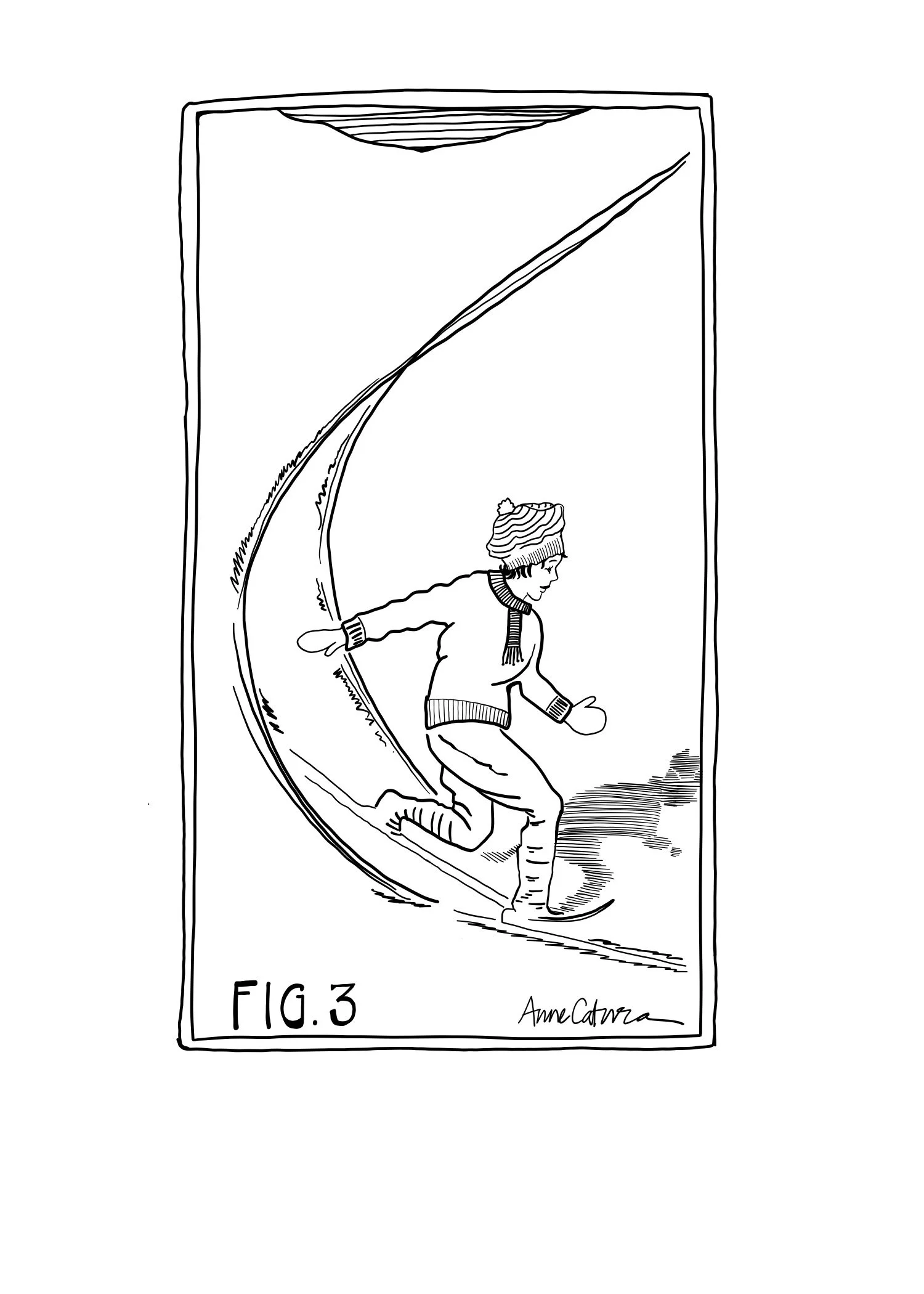
In those early decades, skiing was more than just a winter pastime; it was a rebellion against convention. The Genesee Mountain Tournament, once a ski jumping event, transformed into a multifaceted winter fashion showcase. At a time when women had just received the "okay" from the attorney general to wear pants in public, and the flapper dress was in fashion with all it's fringe and lace, here were women in wool knickers and boots cascading through the hills on skis, defying traditional expectations and creating a stunning display of style that rivaled the jumps themselves. The tournament even ventured into uncharted territory with dogs on skis and a loop-de-loop competition between skiers and aero-planes.
One local newspaper reporting on women's fashion noted that female skiers were "relying upon their woolly sweaters of dazzling shades to add [that] true, feminine, artistic touch to their outfit. Many wore scarves and mittens of corresponding colors, while here and there a jaunty tam o'shanter topped some damsel's tresses and distinctly added spice to her appearance."
Even the "once much ridiculed galosh came into its own. Not an audible titter was heard, when enough of this flopping style of footwear to supply a good size retail store passed in a veritable regimental parade."
Ski jumpers at the time would don straight-grain hickory or ash skis with dual grooves underneath; a single groove was used on a cross-country ski. To measure the correct length of ski, ski jumpers would stand the ski on end and fully extend their arm upwards.
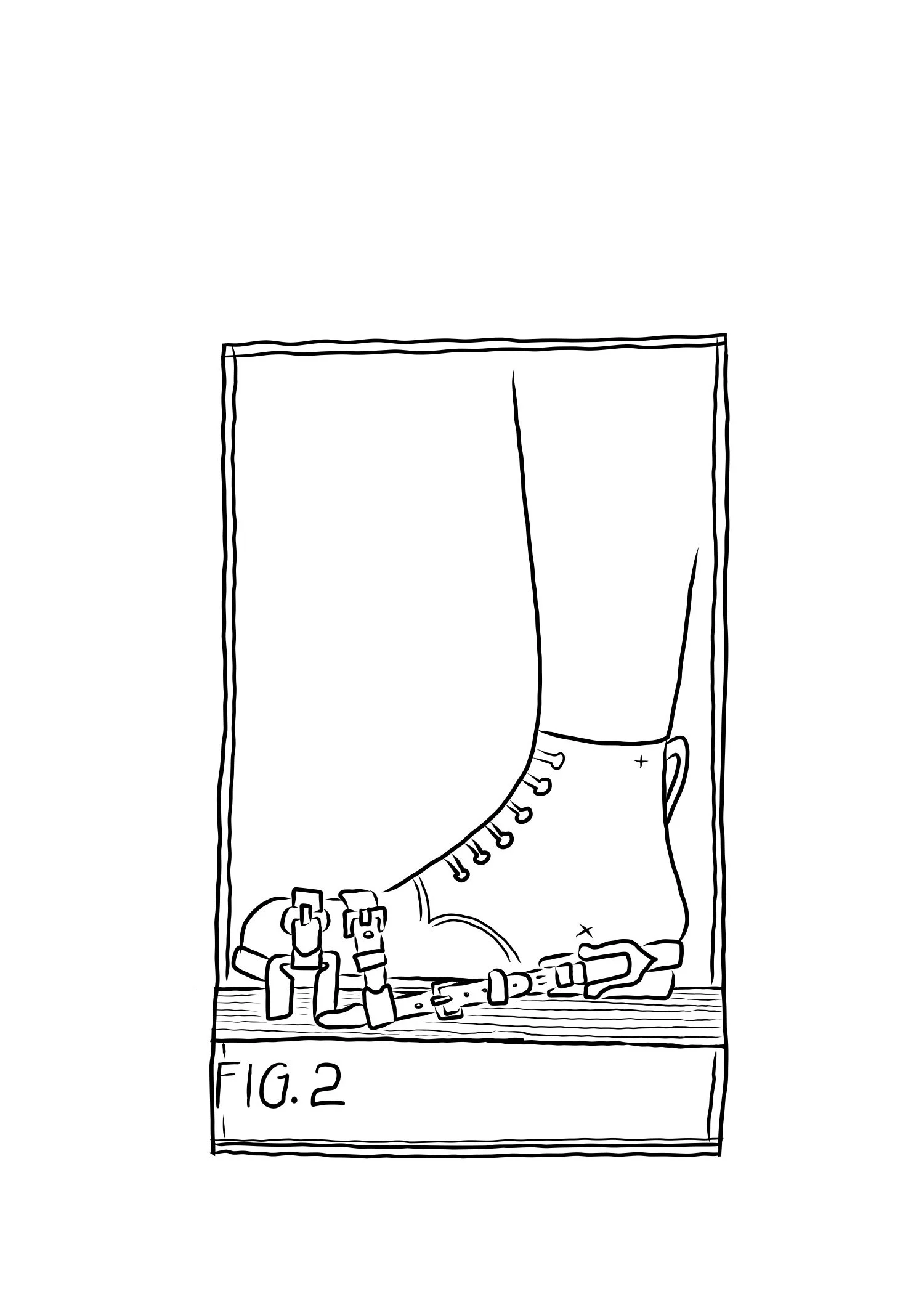
If their fingertips could touch the ski tip, it was right. The width depended on the weight of the skier. Boots were to be secured by a pair of "irons," the best being a Harold Smith or Huitfeldt that adjusted around the heel. Regular ski boots with a flared heel ensured the heel strap would not slip off. This clever setup enabled the jumper to lift the heel above the ski, thus facilitating a forward lean for midair maneuvers.
Local ski enthusiasts were treated to extraordinary exhibitions by multi-national ski experts, including the now local, Italian Lieutenant Albizzi.
The lieutenant showcased a range of ski stunts rarely seen on the local course and demonstrated ski turning maneuvers like the Telemark swing, the Christiana and the "slilum." Just seeing Lt. Albizzi's performance was deemed worth the price of admission, adding flair to the local skiing scene.
In one remarkable incident, while descending at high speed, Albizzi encountered a small girl in his path. Unable to turn or stop in time, he executed a flying leap, breaking off the top of his left ski upon landing. Undeterred, he continued his descent on one ski, showcasing extraordinary balance and resilience. The crowd cheered as he gracefully recovered from the spill.
This incident not only highlighted Albizzi's skill, but also added a touch of daring excitement to the day's events, which seemed to be a common thread at Genesee ski jumping events. The president of the Denver Rocky Mountain Ski Club defined him as the most clever man on skis in Colorado and likely the US. In addition to giving demonstrations, Albizzi also taught ski lessons at Rilliet Hill. It was said that "in six lessons, he can train anyone to ski and do fancy turns."
The Colorado Mountain Club established Rilliet Hill on Lookout Mountain with 40 private cabins and an established ski course. It is likely that the first members skied down and trekked up, and later a rope tow powered by the engine of a Model T hauled them up. The exuberance and exploration of the 1920s attitude toward skiing continued to illuminate Genesee Mountain and Rilliet Hill until the Great Depression. The celebration of skiing, marked by its daring style and social boundary-pushing, faced a setback during this challenging period. Economic hardship and the departure of many for wartime service led to a temporary decline in the merrymaking. Yet, the spirit of skiing endured and re-emerged in the post-war era.
As we navigate the historical slopes of Genesee Mountain and Rilliet Hill, we find echoes of laughter and cheers. Skiing, once a winter necessity, became a symbol of resilience and change.
Looking back at the tracks left by those who challenged the norms, we can find inspiration for our own journey. Then and now, skiing is not just a sport — it's a celebration of daring and freedom.